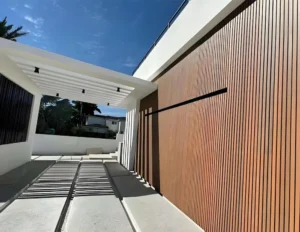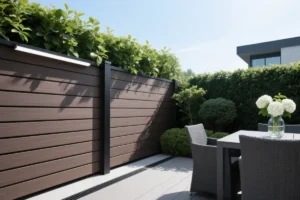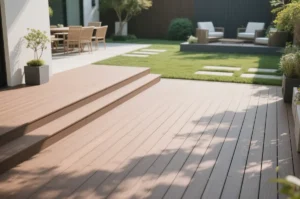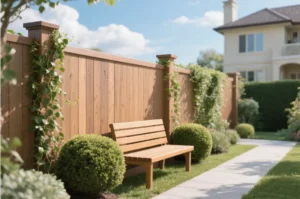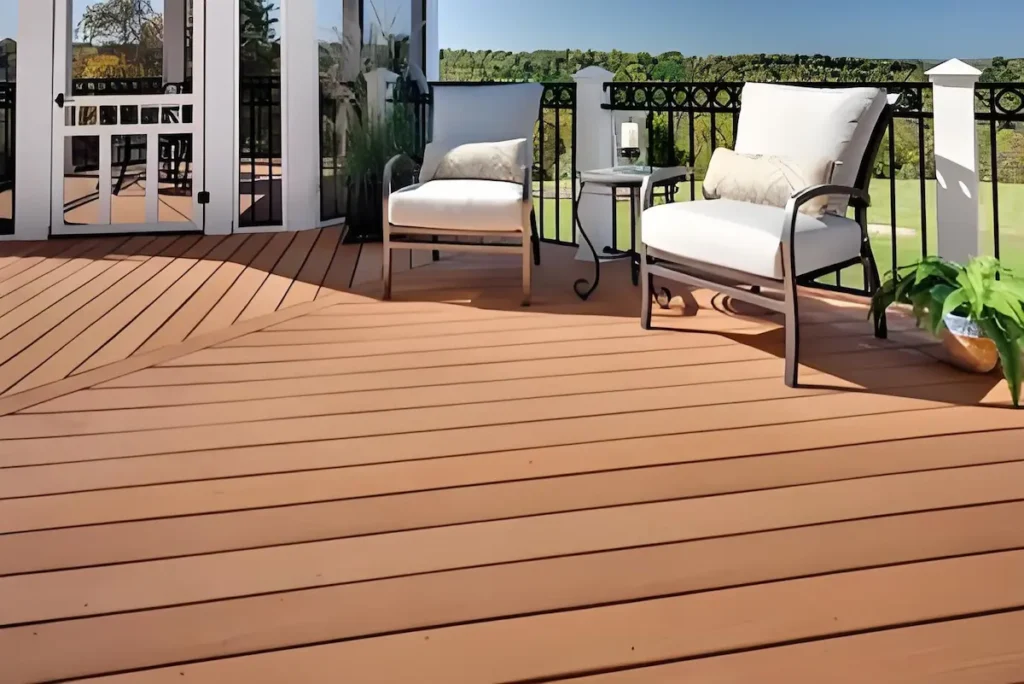
WPC decking, short for Wood-Plastic Composite decking, has become an increasingly popular material for residential patios, commercial terraces, and public outdoor spaces. Its natural wood-like appearance, combined with enhanced durability and low maintenance, makes it a preferred choice over traditional timber.
However, while WPC boards are engineered for resilience, they are not entirely immune to wear and tear. Like any outdoor surface, WPC decking is exposed to sun, rain, temperature changes, and daily foot traffic — all of which can contribute to issues like warping, fading, scratches, and mold.
This comprehensive guide will help you understand the most common WPC decking problems and provide practical solutions to help you protect your investment.
Why Does WPC Decking Warp?
Warping is when the decking boards bend, twist, or lose their original shape. While high-quality WPC boards are resistant to this issue, certain conditions can still cause deformation.
Poor Installation Practices
Incorrect installation is the leading cause of warping. Failing to leave proper expansion gaps between boards or placing boards too close to walls can prevent natural movement. As a result, thermal expansion or moisture absorption may cause the boards to swell and buckle.
To avoid this:
- Follow the manufacturer’s spacing recommendations
- Use appropriate fasteners
- Avoid installing directly on solid concrete without airflow underneath
Also, ensure your substructure is level and stable. Uneven joists can apply uneven stress on boards, increasing the risk of warping over time.
Substandard Material Quality
Not all WPC decking is created equal. Boards with excessive filler content, poor bonding, or low-density profiles are more susceptible to warping. Investing in high-quality WPC products with proper wood-to-plastic ratios and reinforced cores can prevent structural failures.
At GLADOL, we use premium raw materials and extrusion techniques to ensure consistent performance across various climates.
Environmental Exposure
Direct and prolonged exposure to the elements can accelerate warping. Intense sunlight can overheat boards, while excessive rain or poor drainage can saturate them. Over time, this imbalance in temperature and moisture stresses the boards and leads to distortion.
To minimize risk:
- Install shade structures in high-exposure areas
- Ensure proper water runoff with slight slope designs
- Apply protective finishes if recommended by the manufacturer
How to Prevent WPC Decking From Fading
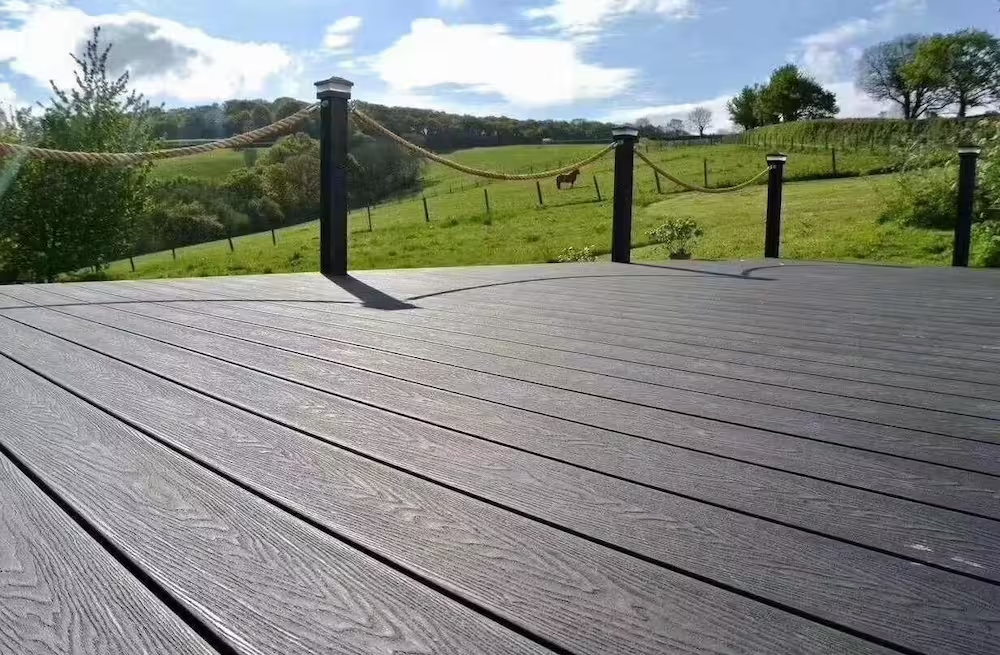
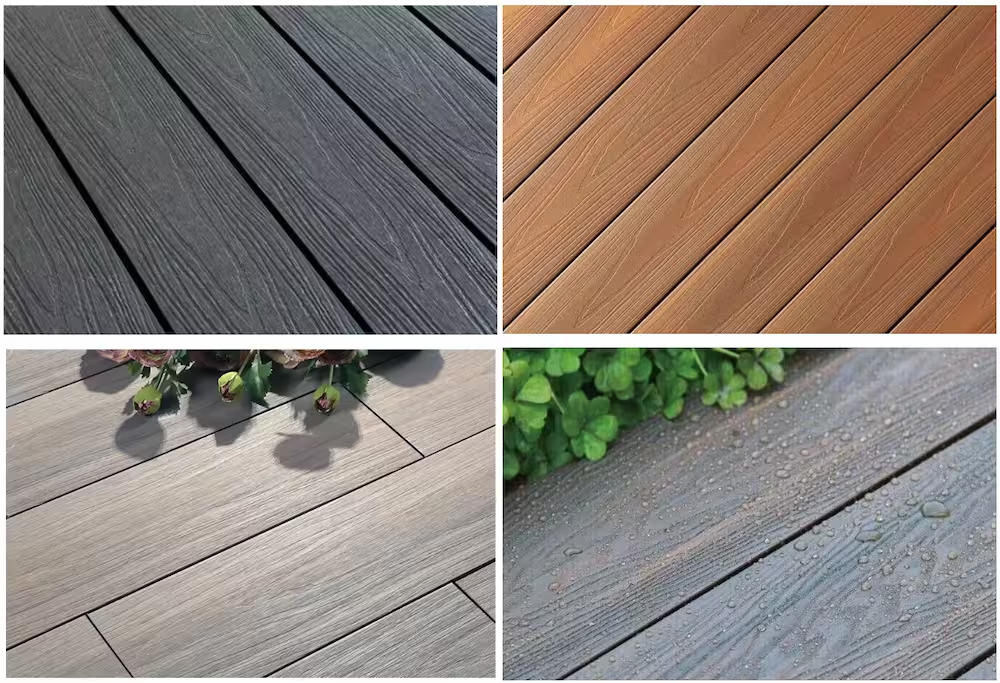
Color fading is a common concern, especially in hot or coastal climates. While WPC materials are more UV-resistant than natural wood, they still undergo gradual lightening due to prolonged sun exposure.
Select UV-Stabilized Boards
Choose products that incorporate UV inhibitors into the composite formula. These additives help protect the surface pigment and prevent breakdown of the outer shell. Most premium boards come with UV warranties — a good sign of quality assurance.
Maintain a Consistent Cleaning Routine
Dirt, bird droppings, and other organic matter can stain the surface and contribute to uneven fading. Wash your deck with a soft-bristle brush and composite-safe cleaner every 2–3 months. Avoid bleach or acidic chemicals, which may strip away the protective layer.
Seal and Protect High-Traffic Areas
While not always required, applying a semi-transparent, water-based composite sealant can help extend color life, especially in high-traffic zones like entrances, seating areas, or BBQ corners.
Tip: When cleaning or sealing, work in the direction of the board grain to maintain surface integrity.
How to Deal With Mold and Mildew on WPC Decking
Though WPC is engineered to resist rot and biological growth, mold and mildew can still appear on the surface — especially in shaded or humid environments.
Understand the Source of Moisture
Mold thrives in areas where water lingers. This could be due to:
- Inadequate slope during installation
- Gaps clogged with organic debris
- Poor airflow underneath the deck
Inspect your drainage system regularly. You can also use a moisture meter to check for persistent dampness.
Clean the Deck Safely
Sweep or blow away leaves, twigs, and soil regularly. To remove mold stains:
- Mix warm water with baking soda or white vinegar (avoid ammonia-based products)
- Scrub with a soft-bristled brush
- Rinse thoroughly using a garden hose or low-pressure washer
Do not use wire brushes or abrasive tools, as they can scratch and weaken the board surface.
Prevent Future Growth
- Trim overhanging trees or bushes to increase sun exposure
- Keep under-deck spaces clean and dry
- Inspect and clean every change of season, especially after heavy rain or snowfall
How to Repair Scratches on WPC Decking
No matter how carefully you use your deck, scratches are bound to appear over time. Chairs, tables, pets, or gardening tools can leave scuff marks, especially on lighter-colored boards.
For Light Surface Scratches
Use fine sandpaper (220–240 grit) to gently buff the area. Always sand in the direction of the grain to avoid patchy finishes. Wipe clean with a damp cloth afterward.
For Deeper Scratches or Gouges
Use a heat gun to warm the scratched area. This softens the polymer and allows the scratch to blend back into the surface. Be cautious not to overheat the area, which may cause discoloration.
Pro tip: Practice on a scrap piece first, or consult your supplier for heat-safe procedures.
Furniture Protection & Prevention
Place rubber or felt pads under furniture legs, especially metal or rough-bottom chairs. For heavy items like grills or planters, consider using outdoor mats to spread the load and avoid compression marks.
If certain boards become too damaged, most WPC systems allow for easy replacement of individual boards without dismantling the entire deck.
Final Thoughts: Long-Term Care = Long-Term Value
WPC decking offers a perfect balance between natural beauty and engineered performance. With proper care, you can enjoy your deck for 15 to 25 years with minimal repairs.
Key Takeaways:
- Choose high-quality WPC products with UV and moisture resistance
- Install your deck according to professional guidelines
- Regularly clean, inspect, and maintain to prevent long-term damage
- Treat problems like warping, fading, mold, and scratches as soon as they appear
At GLADOL, we specialize in innovative WPC decking solutions that offer long-lasting performance at affordable prices. Our products are designed to withstand real-world challenges — from harsh UV exposure to coastal humidity — while providing beautiful, low-maintenance outdoor spaces.
Need Help with Your WPC Decking?
Contact GLADOL for product recommendations, installation advice, or support with your outdoor decking project. We’re here to help you build outdoor spaces that last.